Category Archives: Uncategorized
Post-seminar get-together
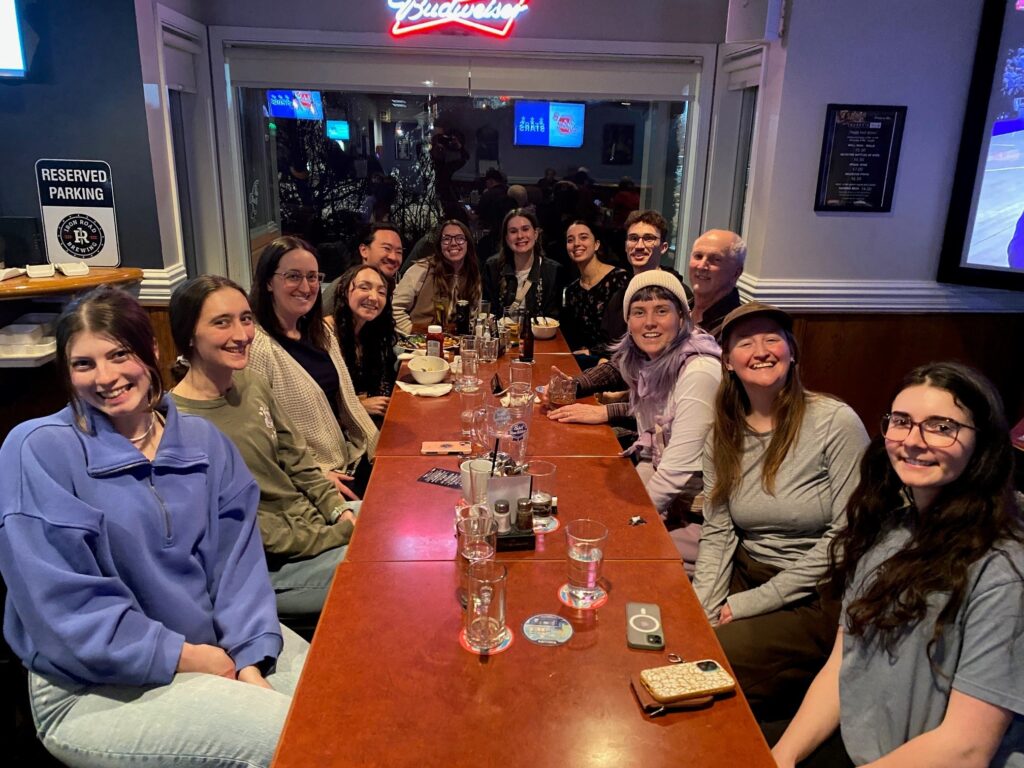
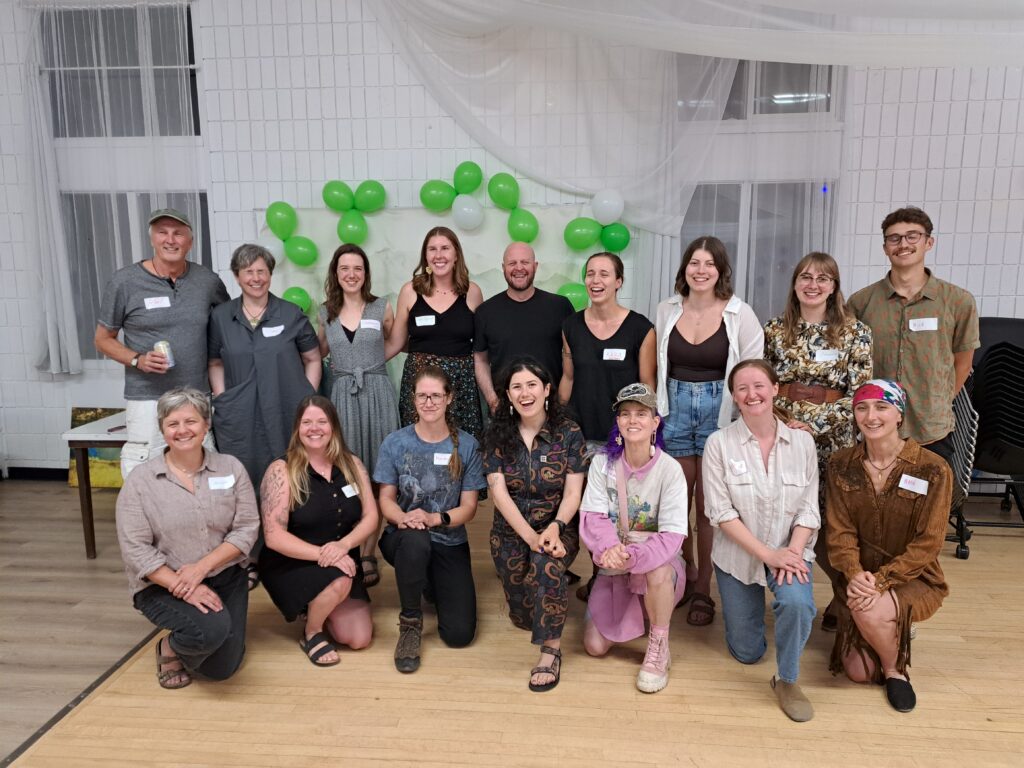
On March 12, Karl gave his career ‘wind-up’ presentation as part of the Environmental Science Seminar. The talk summarized roughly 20 years of research on the movement ecology of the Western Rattlesnake, work conducted largely on the backs of graduate and undergraduate students. Following the presentation, a hefty group of the current research team made their way to Duffy’s Neighbourhood Pub for beverages, food and conversation.

Pictured (L to R): Larisa (GS, bighorn sheep), Maria (GS, rubber boas), Blaire (GS, leopard frogs), Tori (GS, fish!!! how did she sneak in here??? 😉), Calen (former GS, rattlesnakes, racers and gophersnakes), Robyn (UG, bighorn sheep), Gracie (UG, leopard frogs), Maya (UG, fisher), Nick (UG, woodfrogs), Karl (stuff), Shannon (GS, fisher), Mae (GS, fisher) and Caitlyn (UG, rattlesnakes). GS=graduate student, UG = undergraduate
Calen defends
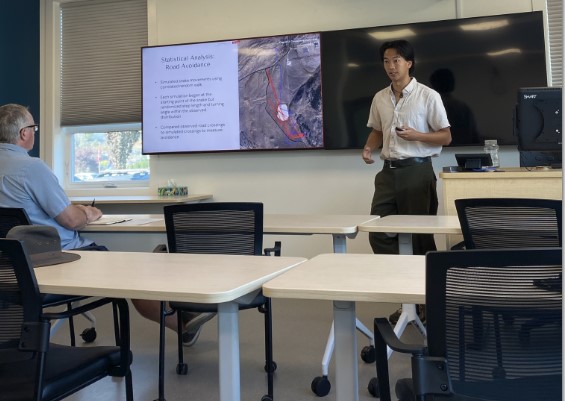
Another solid defence in our lab happened on Sept 9. Calen defended his thesis on the road ecology of snakes in fine order. External on the exam was Dr. James Baxter-Gilbert from Mount Allison University. It was a great defence with lots of interesting discussion.
Calen’s thesis represents the culmination of nearly 11 years of uninterrupted road ecology work in the White Lake Basin by our lab. He incorporated the historical data from the theses of Stephanie Winton (2018) and Jade Spruyt (2024), while adding on his own data on road kill rates, demography, and the behavioural ecology of The Big Three (rattlesnakes, gophersnakes, and racers). Congrats Calen.

Lab cleans up on wildlife scholarships
Our team did exceptionally well in the recent 2025 student award competition by the Habitat Conservation Trust Fund (HCTF) of British Columbia. Hauling in major graduate awards were Shannon (fishers) and Larisa (bighorn sheep) from our lab. Three other MSc students from TRU also captured these awards, giving TRU the majority of the HCTF graduate awards. On top of that, Robin (bighorn sheep) of our research group took home one of the prestigious undergraduate awards. All told, a pretty darn good showing. Read about it here: https://www.instagram.com/p/DOhKblJjDEs/

Mammal-type lab members journey to Norway
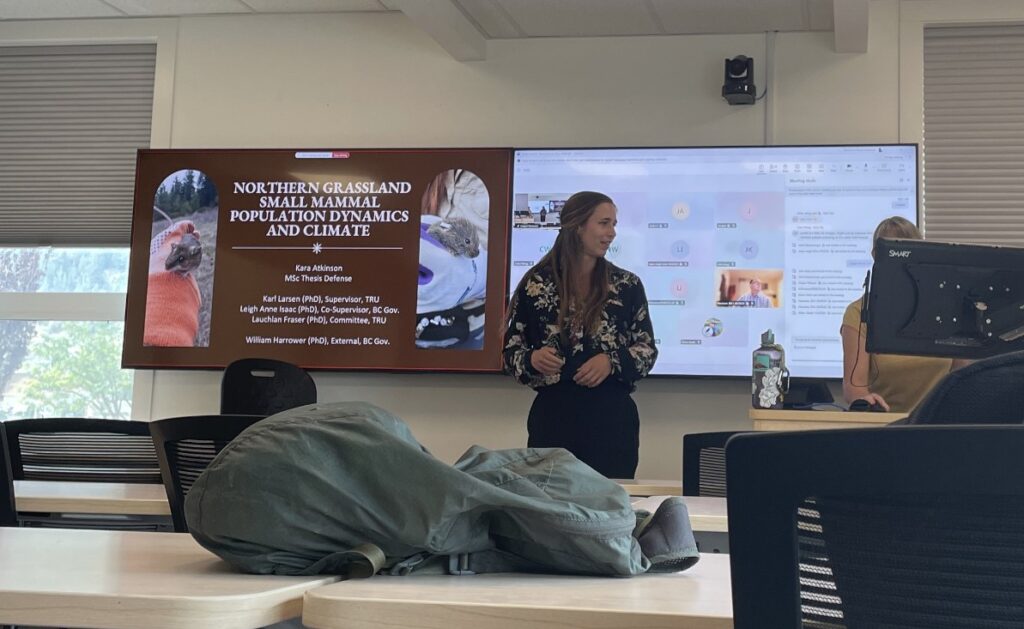
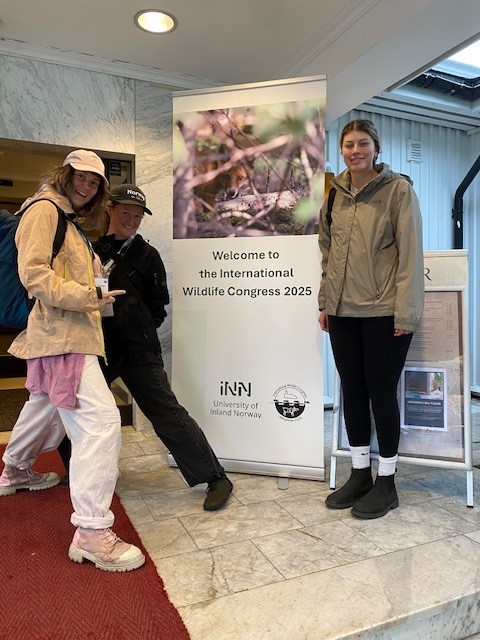
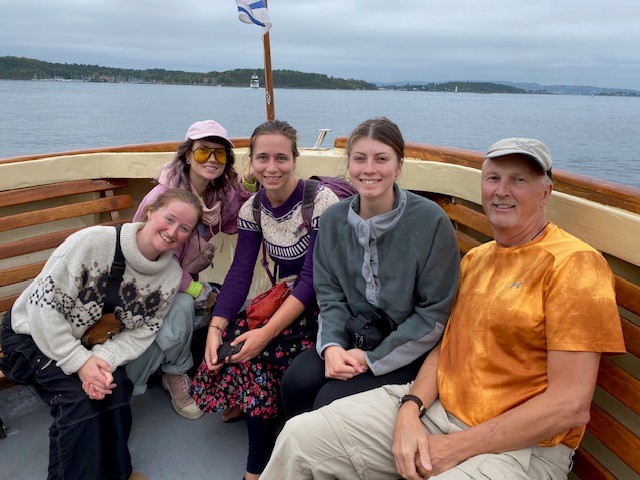
The ‘mammal people’ in our lab journeyed to Lillehammer, Norway, for the International Wildlife Congress. Kara (mice/voles), Larisa (bighorn sheep), Shannon and Mae (both fishers) all delivered oral presentations on their work. Karl also chipped in a paper on rattlesnakes. It was a great trip as the Norwegians know how to host a fine conference.


Kara ‘rediscovers’ the Columbia Pocket Mouse
During the course of her trapping last summer, Kara encountered the Columbia Pocket Mouse (formerly the Great Basin Pocket Mouse) just outside of Kamloops. This particular species has not been seen in this region since the mid-1900s. Kara published a note on her ‘discovery’: read about it here! => https://wwjournal.org/wp-content/uploads/sites/9/2025/03/Atkinson_Larsen_WW_2025.pdf

Kara talks to CBC Radio about her ‘re-discovery’
Kara was recently interviewed by CBC Radio on her re-discovery of the Columbian Pocket Mouse in the Thompson Valley, over 70 years since it was first recorded.
Rulon Clark visits
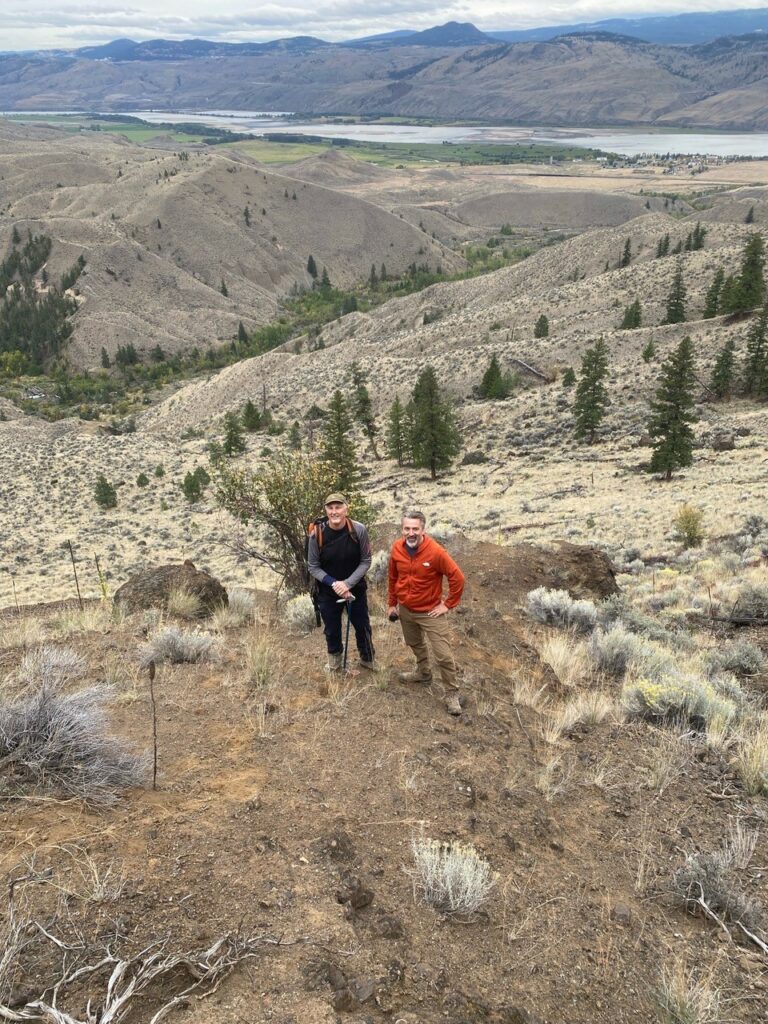
From Oct 2-5, Dr. Rulon Clark, San Diego State University rattlesnake researcher, travelled to TRU to give a seminar, and spend quite a bit of time talking to members of our lab about his work, students’ work, and mutual interests. The day after his presentation a number of us took him in the field for a brisk cool den visit, and despite the weather not being terribly cooperative, we did manage to see a total of 10 rattlesnake ‘stragglers’, probably making a last push to get to the safe confines of their dens.


Jean Jay from Taiwan visits
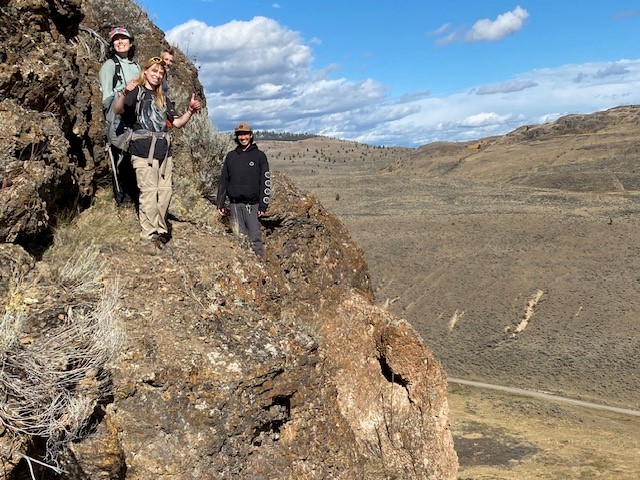
Dr. Jean-Jay Mao, Assistant Professor from National Ilan University in Taiwan, visited our White Lake study site this week. Jean-Jay studies snakes in Taiwan, so he took the opportunity to go out and see our BC species. Summer techs Jenna and Robin were there to show him around in the 40 C heat, but thanks to our telemetered animals, Jean-Jay was able to get some sightings in.

Number 27.
Number 27
In September we conducted our 27th consecutive year of small mammal live-trapping at our three long-term study blocks. This work largely is powered by the senior undergraduate students in the Natural Resource Science program. This year, however, Kara from our lab played a leader role in coordination, and used the opportunity to put out radio-collars as part of her research on deer mice and voles. Afterwards there was a combination pancake breakfast – trap bleaching session at Karl’s house.
Lot’sa fun.